
Brooder House Tips for Healthy Chicks
April 29, 2022
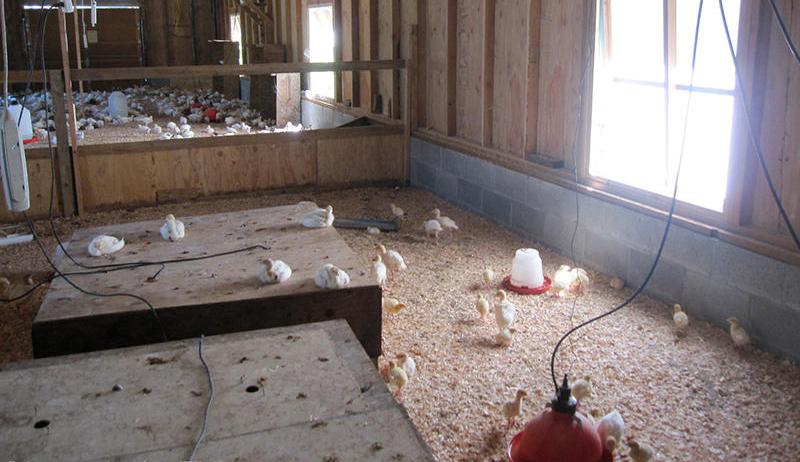
The first few weeks of a chick's life shape the rest of it. A well-set-up brooder means fewer losses, stronger birds and calmer chicks that are easier to handle later. Here's how to get it right.
Set up before the chicks arrive
Have the brooder running at least 24 hours before your chicks come home. That gives you time to check the temperature, warm the bedding and fix problems before there are lives depending on it.
Temperature
Chicks can't control their own body temperature for the first few weeks.
| Age | Temperature at chick level |
|---|---|
| Week 1 | 90 to 95°F (32 to 35°C) |
| Week 2 | 85 to 90°F |
| Week 3 | 80 to 85°F |
| Week 4 | 75 to 80°F |
| Week 5 onward | lower 5°F a week until fully feathered (about 6 weeks) |
Watch the chicks, not just the thermometer. Chicks crowded under the heat are cold. Chicks panting at the edges are too hot. Chicks spread out evenly, eating, drinking and napping, are just right.
Always leave a cooler area so chicks can move away from the heat.
Heat lamp or heat plate?
Heat lamps are cheap but are a well-known cause of barn fires. If you use one, fix it with two independent methods, never rely on the clamp alone, and keep it well away from bedding. Radiant heat plates use less power, are far safer and let chicks rest underneath them, much like a mother hen.
Space
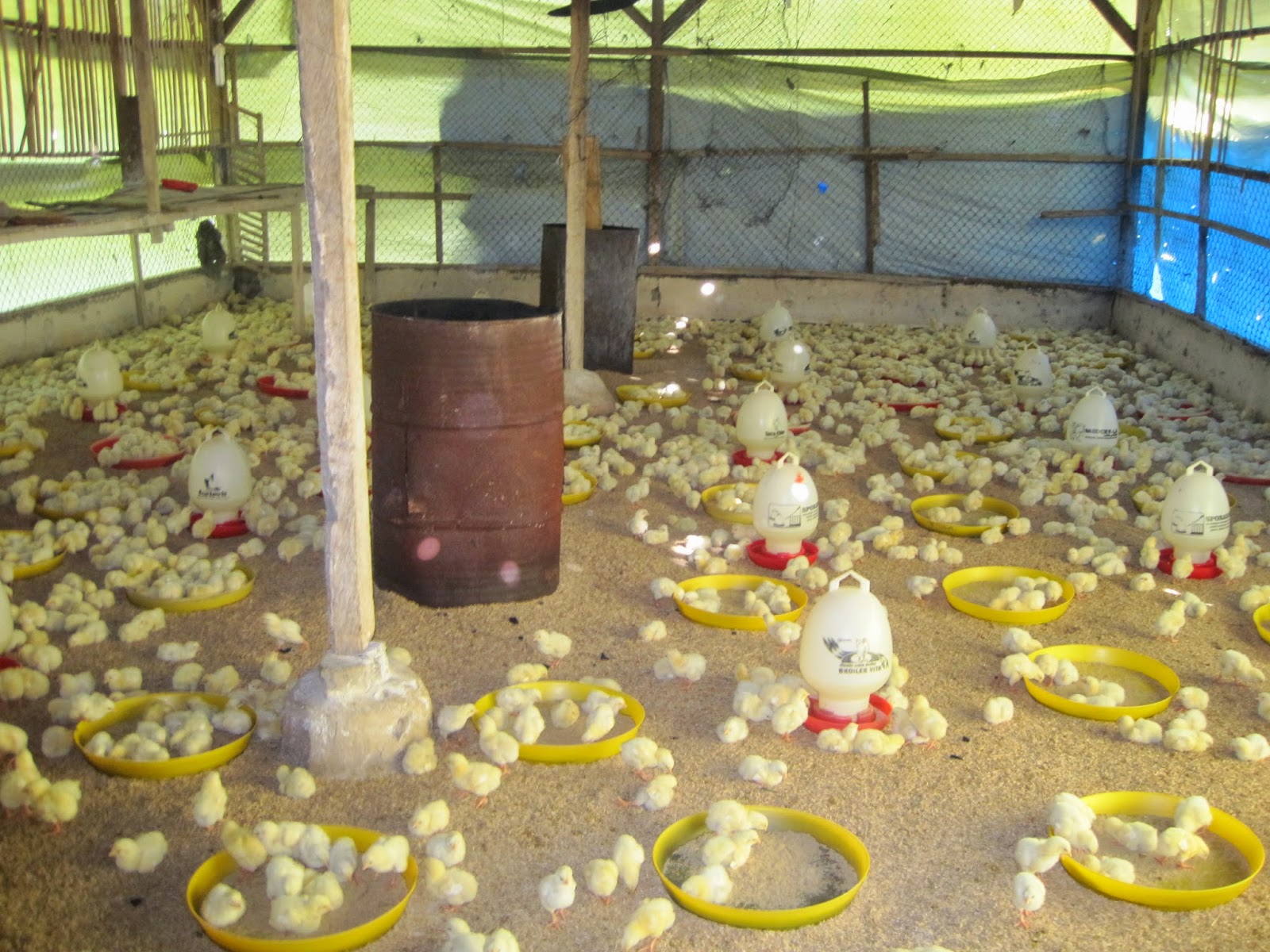
- 0 to 2 weeks: about 0.5 square feet per chick
- 3 to 4 weeks: about 1 square foot per chick
- 5 to 8 weeks: about 2 square feet per chick
Crowding leads to pecking, wet bedding and disease. Chicks grow faster than you expect, so plan for the space they'll need at week four.
Bedding
- Use pine shavings (not cedar, which gives off strong fumes).
- For the first few days, cover the shavings with paper towels so chicks learn the difference between food and bedding.
- Avoid newspaper or smooth surfaces on their own. Chicks slip and can develop splayed legs.
- Spot-clean wet areas daily and keep bedding dry.
Feed and water
- Chick starter with around 18 to 20% protein. Choose medicated or non-medicated depending on whether chicks were vaccinated for coccidiosis. Your hatchery can tell you.
- Use chick-sized waterers with shallow troughs. Add marbles or pebbles for very young chicks to prevent drowning.
- Dip each chick's beak in the water as you put it in the brooder so it learns where to drink.
- Raise feeders and waterers on a block as chicks grow to keep bedding out.
Daily health checks
- Pasty butt: droppings stuck to the vent can block it. Gently clean with warm water.
- Lethargy or huddling alone can be a sign of illness or cold.
- Pecking at each other usually means too hot, too crowded or bored. Add a clump of grass or a perch to keep them busy.
Ventilation and safety
Chicks need fresh air without draughts. Keep the brooder away from direct wind but avoid sealing it completely, because ammonia and humidity build up fast. Cover the top with wire mesh if you have pets or curious children.
Moving out
Most chicks are ready for the coop at 6 to 8 weeks, once fully feathered and outdoor nights are mild. Make sure the coop is well ventilated (see our coop ventilation guide) and predator-proof before the move.