Homemade Chicken Feed: A Balanced Recipe and What to Avoid
April 27, 2022
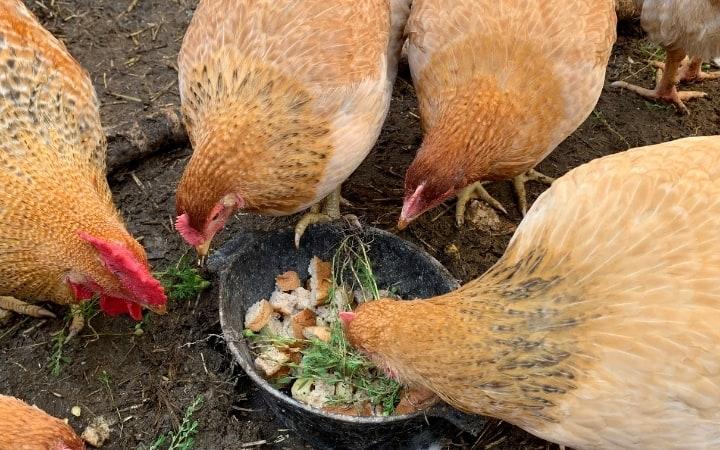
Making your own chicken feed is satisfying, and it lets you control exactly what your birds eat. It's also easy to get wrong. A mix that looks wholesome can be short on protein, calcium or key vitamins, and hens show it through poor laying, thin shells and feather pecking.
This guide gives you a sensible starting point for adult laying hens. Chicks and meat birds have different needs, and a commercial starter is the safer choice for them.
The building blocks
A balanced layer feed needs:
- Energy grains: corn, wheat, barley or oats.
- Protein: field peas, roasted soybeans or soybean meal, fish meal, or dried insects.
- Calcium: offered separately as oyster shell, so each hen can take what she needs.
- Vitamins and minerals: the hardest part to get right at home. A poultry vitamin-mineral premix (sometimes sold as a "nutri-balancer") fills the gaps.
- Salt in small amounts, usually included in the premix.
A starting layer recipe
Mix by weight, not by volume. This makes a batch of 100 pounds (about 45 kg). Scale it down as needed.
| Ingredient | Pounds | Why it's there |
|---|---|---|
| Whole or cracked corn | 30 | energy |
| Wheat | 25 | energy and some protein |
| Field peas | 20 | protein |
| Oats | 10 | fibre and energy |
| Fish meal | 5 | high-quality protein and methionine |
| Roasted soybeans or soybean meal | 5 | protein |
| Poultry vitamin-mineral premix | 2 to 3 | vitamins, minerals, salt |
| Kelp meal | 1 to 2 | trace minerals |
Offer oyster shell free-choice in a separate dish.
This mix lands roughly in the 15 to 17% protein range, depending on the exact ingredients. If you have access to a feed analysis service or a local extension office, have a sample checked, especially if you change ingredients.
Fermenting or sprouting
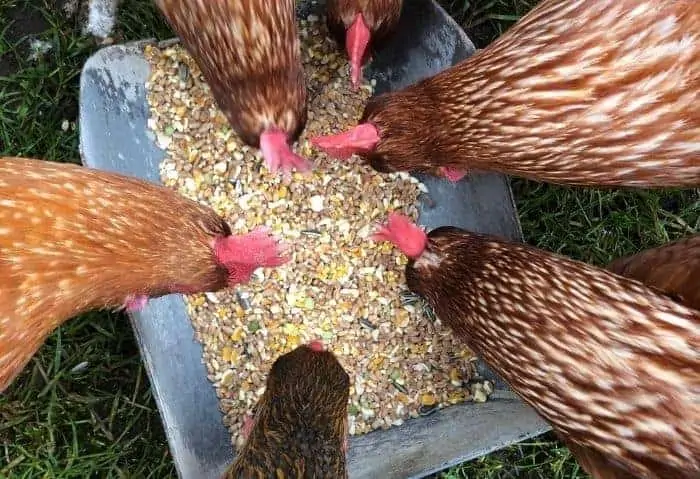
Many keepers soak their mix in water for one to three days to ferment it lightly. Fermented feed is easier to digest, reduces waste and is popular with hens. Sprouting grains for a few days can add greens in winter. Make small batches, keep things clean, and throw out anything that smells off or grows mould.
Ingredients to avoid
- Raw or undercooked dry beans and raw soybeans. They contain compounds that block digestion. Soy must be roasted or processed.
- Avocado skin and pit, chocolate, and anything mouldy. These can poison birds.
- Too much corn. It's cheap and hens love it, but it's low in protein. Heavy corn diets lead to fat hens and fewer eggs.
- Lots of kitchen scraps. Fine as treats, but they unbalance the diet if they become the main course.
Is it cheaper?
Sometimes. Homemade feed saves money when you can buy grains in bulk direct from farmers. If you're buying small bags of each ingredient at retail prices, a quality commercial feed is often cheaper and more reliably balanced.
Signs your mix needs adjusting
- Fewer eggs or soft and thin shells
- Feather pecking or eating feathers (often a protein shortage)
- Pale combs or weight loss
- Hens leaving most of the mix and picking out favourites
If you see these, add more protein, check the premix, and consider going back to a commercial feed while you troubleshoot. Our guide to choosing an organic chicken feed explains the protein and calcium targets in more detail.