
Chickens Around the World: Facts About Our Most Common Bird
May 5, 2022
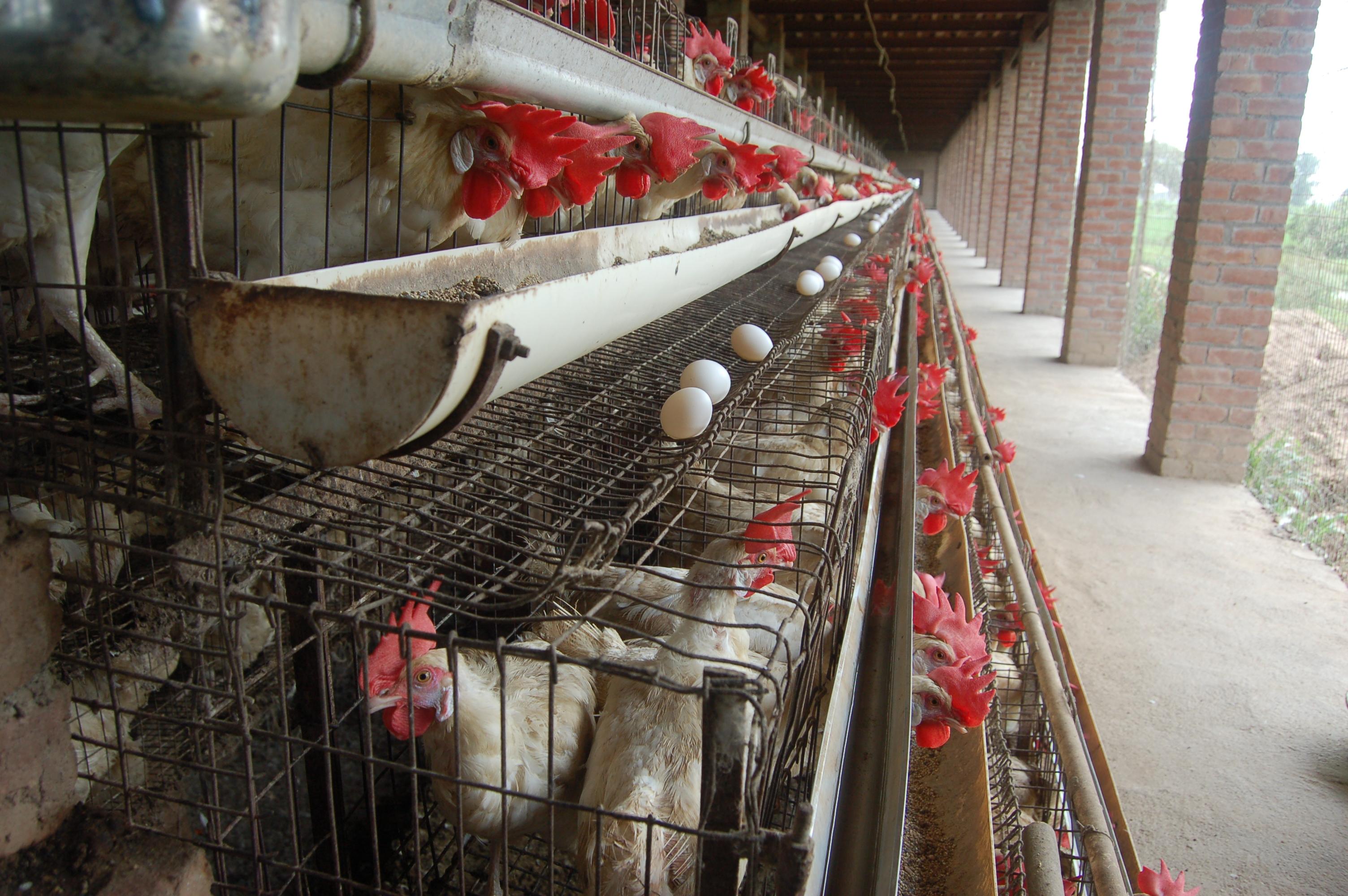
At any given moment there are tens of billions of chickens alive on Earth, far more than any other bird and several times the human population. Estimates from the UN Food and Agriculture Organization put the global flock at well over 25 billion. How did one bird become so common?
Where chickens came from
The domestic chicken descends mainly from the red junglefowl, a wild bird of the forests of South and Southeast Asia. Genetic studies point to domestication in that region several thousand years ago.
Interestingly, early chickens may not have been kept mainly for food. Archaeologists think they were first valued for cockfighting, ceremonies and as exotic birds, with eggs and meat becoming the main purpose much later.
How they spread
From Asia, chickens travelled with people along trade routes:
- West through India and the Middle East into Europe and Africa.
- East and south across the Pacific with Polynesian voyagers, reaching islands thousands of miles from the mainland.
- To the Americas with European colonists, and possibly earlier with Pacific travellers, a question researchers still debate.
Today chickens live on every continent except Antarctica.
Who raises the most?
The largest producers of chicken meat include the United States, Brazil and China, with the EU as a major producer too. For eggs, China produces far more than any other country, followed by countries such as India, the United States and Indonesia.
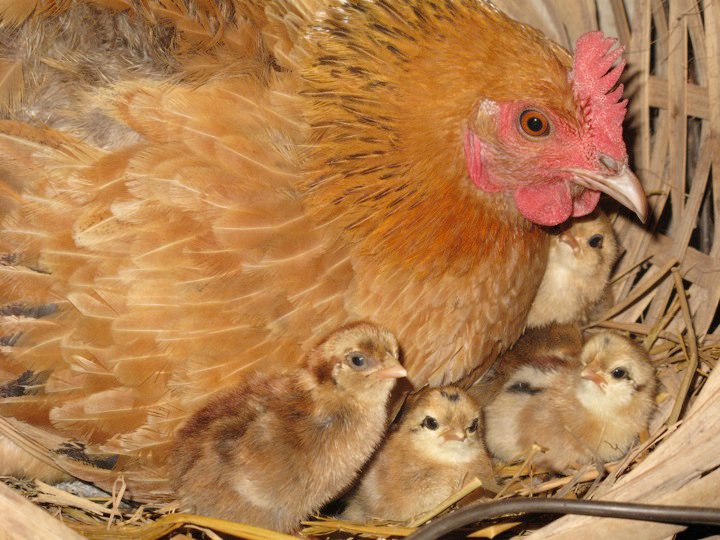
In much of Africa and South Asia, most chickens are still kept in small village flocks, scratching around homes and providing families with eggs, meat and a little income.
Chickens in everyday life
- Food security: in many rural communities, a few hens are a family's most reliable source of protein, and the birds can be sold for cash in an emergency.
- Culture: the rooster is a national symbol of France, appears in the Chinese zodiac, and features in folklore across the world.
- Language: we're "chicken" when we're scared, we "count our chickens before they hatch", and we "rule the roost".
Surprising chicken facts
- There are hundreds of breeds, from tiny bantams under a pound to Brahmas over 10 pounds.
- Chickens are closely related to dinosaurs. Birds descend from theropod dinosaurs, the same group as T. rex.
- Hens talk to their chicks while still in the egg, and chicks respond.
- Chickens can recognise dozens of individual flock mates and remember them.
- Egg colour depends on breed, not diet or quality. Breeds lay white, brown, blue, green, cream and even near-chocolate eggs.
Why it matters for backyard keepers
When you keep a few hens in your garden, you're part of a tradition that goes back thousands of years and spans every culture. The basics haven't changed much: good feed, clean water, a safe place to roost and a bit of space to scratch.
New to chickens? Start with our five essential facts about raising chickens.