Raising Chickens: 5 Facts to Know Before You Start
May 6, 2022
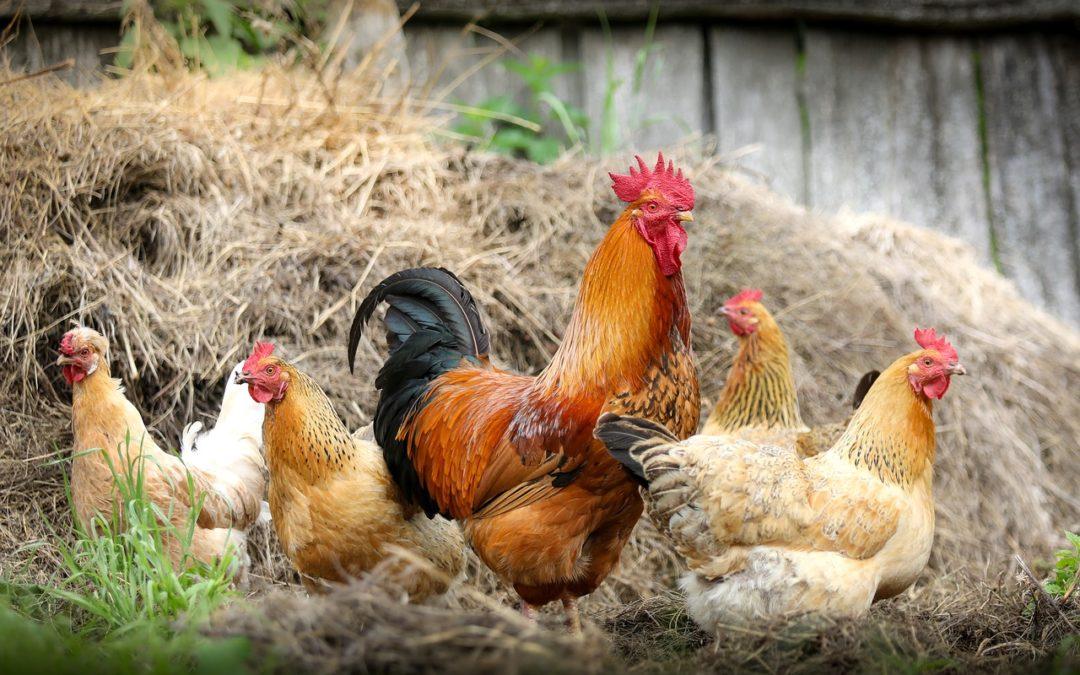
Backyard chickens are rewarding, entertaining and surprisingly easy once you're set up. But a few things catch almost every new keeper off guard. Here are five facts worth knowing before your first chicks come home.
1. You don't need a rooster for eggs
Hens lay eggs whether or not there's a rooster in the flock. You only need a rooster if you want fertilised eggs to hatch chicks.
In fact, many towns ban roosters because of crowing, and roosters can be aggressive. For most backyard flocks, an all-hen group is simpler and quieter.
2. Check the rules first
Before buying anything, check:
- Local zoning or council rules. Many places limit flock size, ban roosters or set distances between coops and neighbours.
- Homeowners' association or lease terms, which can forbid poultry entirely.
- Registration requirements. Some countries, including the UK, ask or require keepers to register their flock so they can be warned about bird flu outbreaks.
A quick call now avoids having to rehome your birds later.
3. The coop costs more than the chickens
Chicks are cheap. A safe coop and run are not. Budget for:
- a sturdy, ventilated coop with about 4 square feet per bird,
- a secure run with about 10 square feet per bird,
- feeders, waterers, bedding and a first bag of feed,
- hardware cloth rather than chicken wire. Chicken wire keeps chickens in, but it doesn't keep predators out.
Daily care takes about 10 to 15 minutes, with a bigger clean-out every week or two.
4. Predators are the biggest threat
Foxes, raccoons, hawks, weasels, rats, dogs and snakes all hunt chickens, and most losses happen at night. To keep your flock safe:
- Lock the coop every night, or fit an automatic door.
- Bury wire at least 12 inches deep around the run, or lay an apron outward along the ground.
- Cover the run to stop hawks and climbing predators.
- Collect eggs daily so you don't attract egg-eaters.
5. Hens lay for a few years but live for many more
A hen lays best in her first two or three years. After that, laying slows, but she can live 8 to 10 years or more.
Decide early what you'll do with older hens. Some keepers let them retire as pets and pest controllers, while others add younger birds every couple of years to keep eggs coming.
Bonus: chickens are better pets than you expect
Chickens recognise their keepers, come when called (especially if you bring treats), eat garden pests and kitchen scraps, and produce excellent compost. Many first-time keepers end up with a bigger flock than they planned.
Ready to choose your birds? Start with the friendliest chicken breeds or the best egg-laying chickens.