The Best Egg-Laying Chickens for a Steady Supply
April 12, 2022
If eggs are the main reason you keep chickens, breed choice matters more than anything else you do. A good laying hen can give you five or six eggs a week in her first two seasons. A breed kept mostly for looks might give you two.
Here are the breeds that consistently top the laying charts, plus what each one is like to live with.
1. White Leghorn
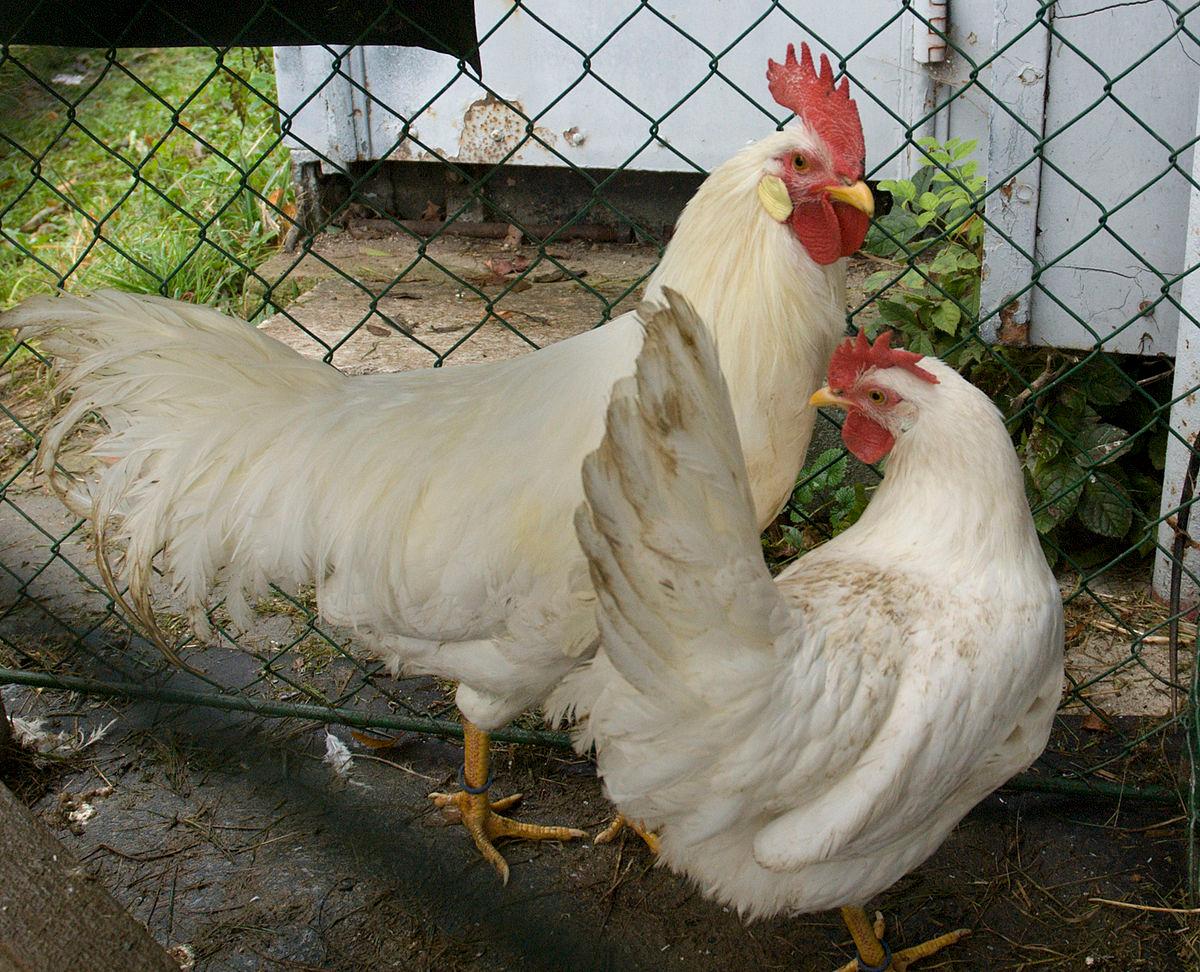
The Leghorn is the bird behind most of the white eggs in supermarkets, and for good reason. A healthy hen lays around 280 to 320 large white eggs a year, eats less than heavier breeds, and starts laying early.
The trade-offs: Leghorns are flighty, noisy and not interested in cuddles. Their big single combs can suffer frostbite in very cold winters. If you want an efficient egg machine and don't need a lap chicken, they're hard to beat.
2. Rhode Island Red
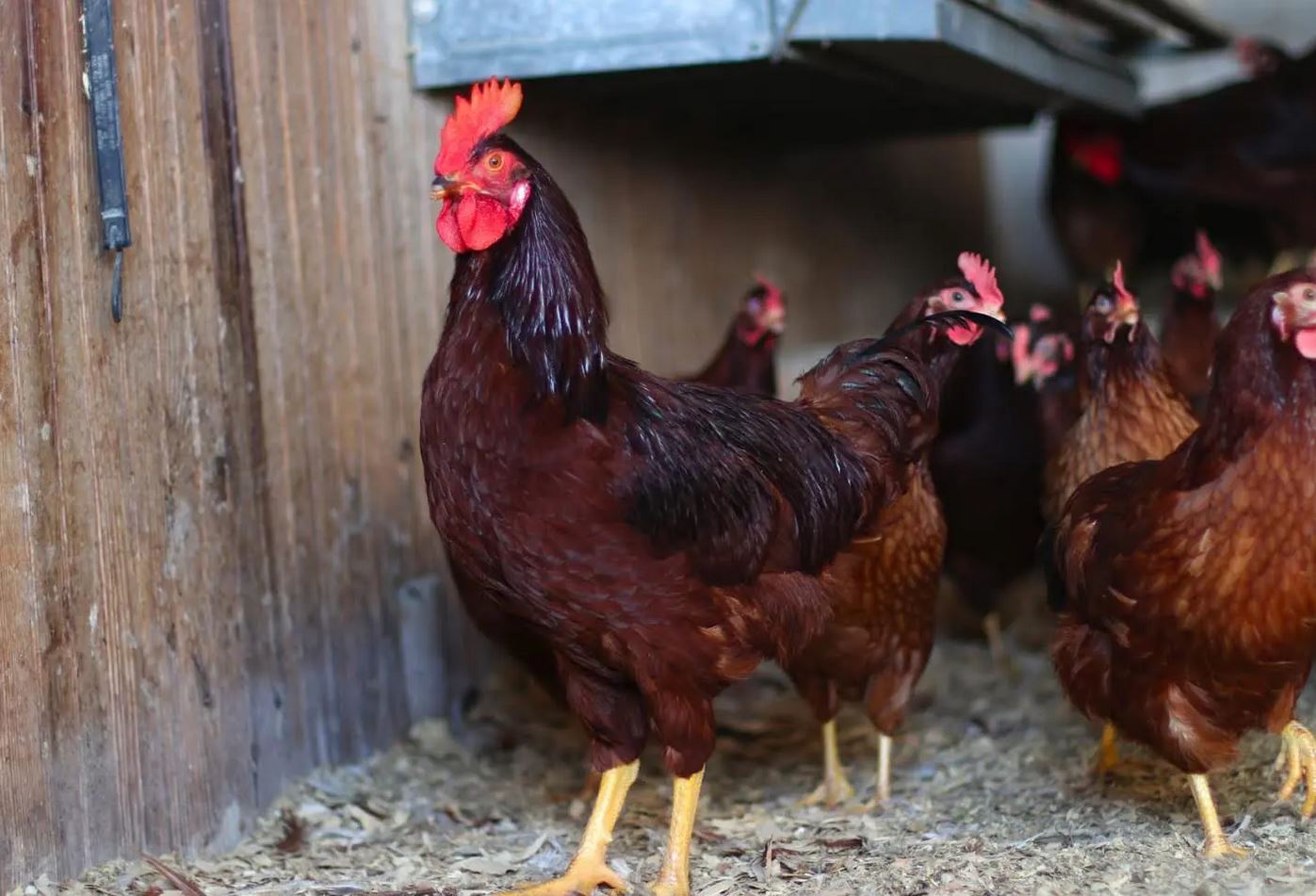
The Rhode Island Red is the classic backyard all-rounder. Expect roughly 250 brown eggs a year from a production strain. They're hardy in both heat and cold, forage well, and shrug off the odd mistake from a beginner keeper.
Roosters can be pushy, and some hens are bossy at the feeder, so give them space if you're mixing breeds.
3. Australorp
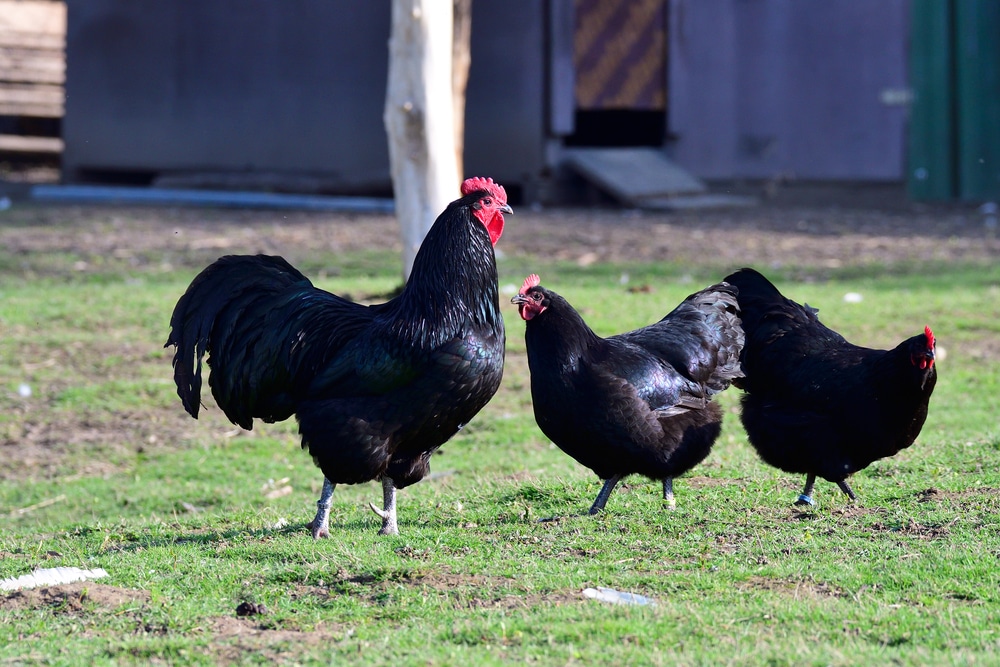
Australorps were developed in Australia from Orpington stock with laying in mind. One famous hen is recorded as laying 364 eggs in 365 days. Your hens won't do that, but 250 or so light-brown eggs a year is realistic.
They're calm, glossy black birds that handle confinement well, which makes them a great choice for smaller gardens.
4. Sex-link hybrids
Golden Comets, ISA Browns, Red Stars and Black Stars are crosses bred specifically for production. Many lay 300 or more eggs in their first year, and they start younger than most pure breeds. Chicks can be sexed by colour at hatch, so you're far less likely to end up with a surprise rooster.
The catch is that they tend to lay hard and burn out sooner. Production often drops noticeably after the second or third year. We cover them in more depth in our guide to hybrid chicken breeds.
5. Plymouth Rock
Barred Rocks and their relatives lay about 200 to 250 brown eggs a year and keep laying through cold weather better than many breeds. They're friendly, sturdy and long-lived, so they suit families who want a flock that lasts.
How to get the most eggs from any breed
- Feed a proper layer ration. Around 16% protein, with oyster shell offered on the side for calcium. Treats should be no more than about 10% of what they eat.
- Give them light. Hens need roughly 14 to 16 hours of daylight to lay steadily. Laying naturally slows in winter.
- Keep stress low. Predators, overcrowding, moving house and sudden changes in flock order all knock laying back.
- Collect daily. Regular collection keeps eggs clean and discourages broodiness and egg eating.
- Expect the moult. Most hens stop laying for several weeks each autumn while they regrow feathers. Extra protein helps them through it.
Which should you choose?
For pure numbers, go with Leghorns or a sex-link hybrid. For a friendly, hardy flock that still fills the egg basket, Australorps, Rhode Island Reds and Plymouth Rocks are excellent. Many keepers mix two or three breeds, which also gives you a pretty basket of different egg colours.