When Do Chickens Start Laying Eggs?
April 24, 2026

It's the question every new keeper asks while watching their pullets grow: when will the first egg arrive? The short answer is that most hens start laying at around 18 to 22 weeks old. The real answer depends on breed, season and how they're raised.
Typical laying age by breed
| Breed type | Typical first egg |
|---|---|
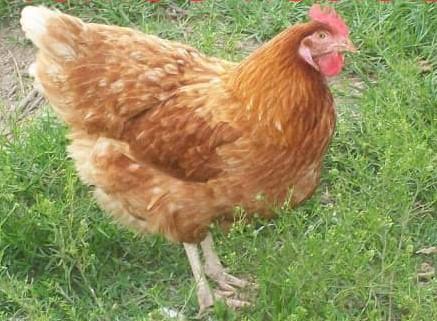
| Production hybrids (ISA Brown, Golden Comet) | 16 to 20 weeks |
| Leghorns | 16 to 20 weeks |
| Dual-purpose breeds (Rhode Island Red, Plymouth Rock, Australorp) | 18 to 24 weeks |
| Heavy breeds (Orpington, Brahma, Cochin) | 24 to 30 weeks |
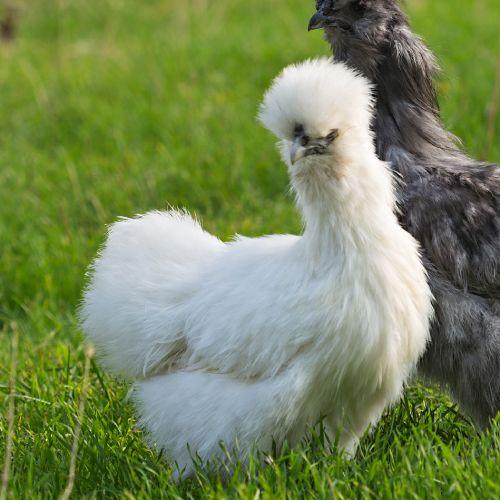
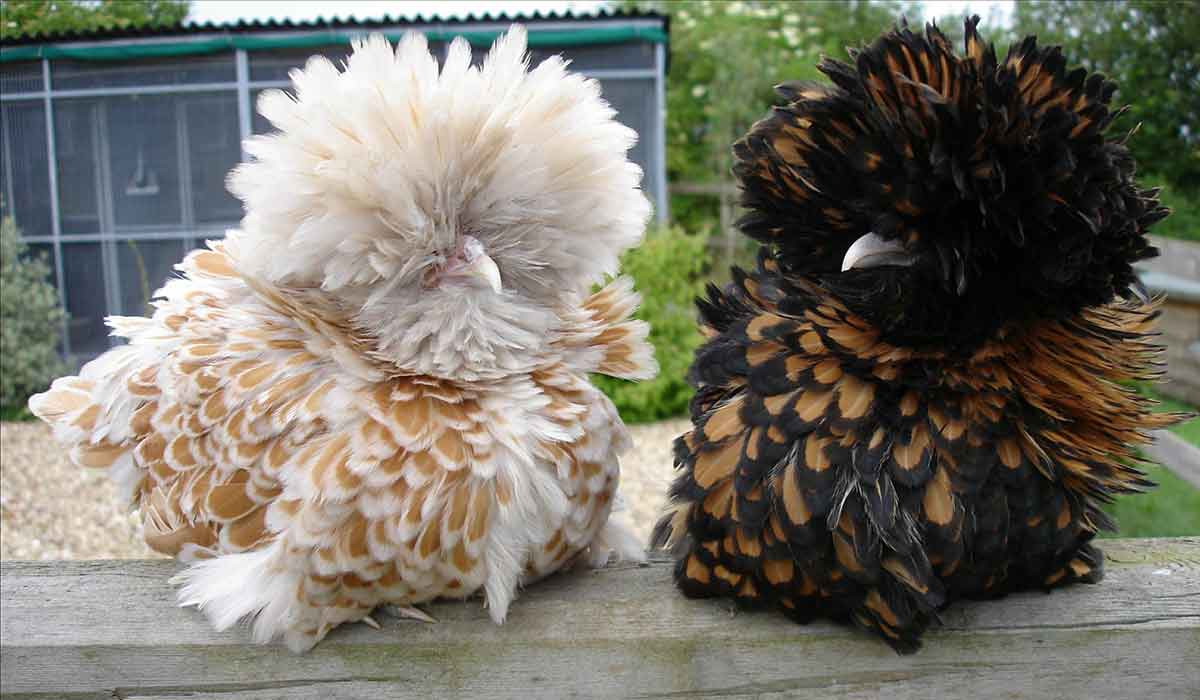
| Silkies and many ornamental breeds | 28 weeks or more |
Individual hens vary, so a few weeks either side is normal.

What affects when hens start
Daylight
Hens need about 14 hours of light a day to lay steadily. Pullets that reach laying age in autumn or winter often wait until days lengthen in spring. A pullet hatched in spring usually starts laying in late summer or early autumn.
Nutrition
Feed a grower ration (about 15 to 18% protein) until laying starts, then switch to a layer feed (about 16% protein with extra calcium). Too much scratch or treats can delay laying. Don't switch to layer feed too early, because extra calcium is hard on young birds' kidneys.
Stress
Moving house, predator scares, extreme heat or a big shake-up in the pecking order can all delay the first egg by weeks.
Signs a pullet is about to lay
- Her comb and wattles turn bright red and grow larger.
- She squats when you reach toward her back, ready for a rooster.
- She investigates nest boxes, sitting in them and rearranging bedding.
- She becomes chattier, sometimes with a loud "egg song".
- Her pelvic bones widen. About two to three fingers' width between them usually means eggs are close.
Those first eggs
Early eggs are often small, oddly shaped, soft-shelled or double-yolked. That's normal while a young hen's system settles down. Within a few weeks, most hens lay regular, full-sized eggs.
How to encourage laying in the right place
- Place golf balls or ceramic eggs in nest boxes to show pullets where to lay.
- Provide about one nest box for every four or five hens.
- Keep nests dark, clean and filled with soft bedding.
- Put nest boxes lower than roost bars so hens don't sleep in them.
When to worry
If a healthy pullet of a laying breed hasn't started by about 30 weeks and days are long, check her diet, look for mites or lice, and rule out stress. Some birds are simply late bloomers, especially heavy breeds.
Want hens that start early and lay often? See our guides to the best egg-laying chickens and hybrid chicken breeds.