Hybrid Chicken Breeds: What They Are and Which to Choose
April 12, 2022
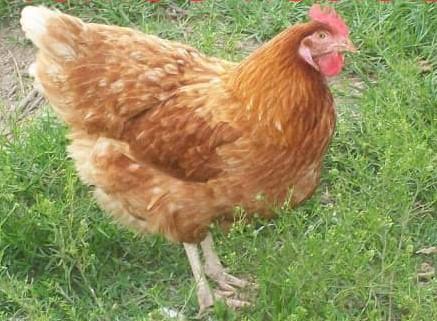
Walk into any farm store in spring and many of the chicks on offer won't be pure breeds at all. They'll be hybrids: crosses between two or more breeds, chosen to bring out the best of each parent. For egg production, hybrids are the most productive birds you can buy.
How hybrids are made
A hybrid is a planned cross. Breeders pair a rooster of one breed with hens of another so the offspring have useful traits, such as heavy laying, an even temperament or fast growth. The result doesn't "breed true". If you hatch eggs from two Golden Comets, the chicks won't look or lay like their parents.
That's why hybrid stock almost always comes from hatcheries that keep the pure parent lines.
Sex-links: sexing chicks by colour
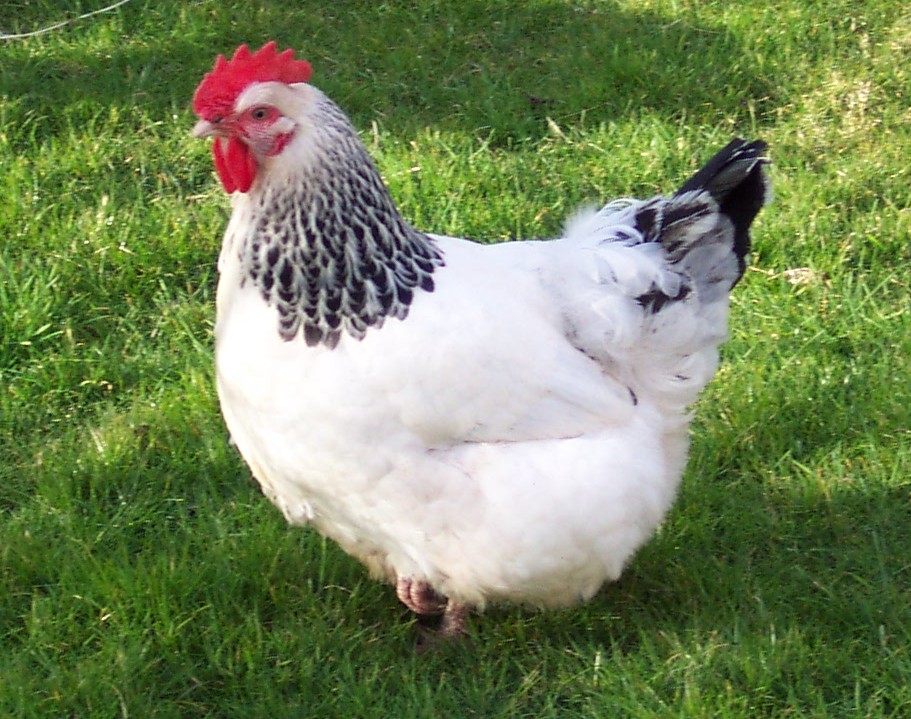
The most popular laying hybrids are sex-links. Because of how certain colour genes are carried, male and female chicks from the right cross hatch in different colours.
- Red sex-links (Golden Comet, Red Star, ISA Brown types) come from a red rooster, such as a Rhode Island Red or New Hampshire, crossed with a hen carrying the silver gene, such as a White Rock, Delaware or Light Sussex. Pullets hatch buff or red. Cockerels hatch white or cream.
- Black sex-links (Black Star) come from a Rhode Island Red rooster over Barred Rock hens. Both sexes hatch black, but males have a white spot on the head.
For backyard keepers in towns where roosters aren't allowed, that's a big advantage over "straight run" pure-breed chicks.
Popular hybrids at a glance
| Hybrid | Eggs per year (first season) | Egg colour | Temperament |
|---|---|---|---|
| Golden Comet | about 280 to 300 | brown | gentle, curious |
| ISA Brown | about 300+ | brown | docile, people-friendly |
| Black Star | about 250 to 280 | brown | calm, cold-hardy |
| Cornish Cross | not kept for eggs | n/a | fast-growing meat bird |
Numbers vary with feed, light and management, so treat them as a guide.
The pros
- Outstanding laying, especially in the first 18 months.
- Early maturity. Many start laying at 16 to 20 weeks.
- Easy-going birds that settle quickly and tolerate handling.
- Fewer surprise roosters thanks to colour sexing.
The cons
- Shorter productive life. Laying usually drops sharply after year two or three.
- Higher risk of reproductive problems in older hens, such as egg binding or internal laying, because their bodies have worked so hard.
- Not for breeding. You'll need to buy new chicks to replace them.
- Rarely go broody, which is good for eggs but bad if you want a hen to raise chicks.
Are hybrids right for you?
If you want the most eggs from a small flock and plan to add new birds every couple of years, hybrids are a smart choice. If you'd rather have birds that lay for longer, raise their own young or represent a heritage line, look at dual-purpose pure breeds instead. Plenty of keepers do both: a couple of hybrids to keep the egg basket full, alongside pure breeds for variety and longevity.
For a broader comparison, see our list of the best egg-laying chickens.