Battery Cages: 5 Facts Every Egg Buyer Should Know
May 6, 2022
For decades, most of the world's eggs came from hens kept in small wire "battery" cages. That's changing fast, but the system is still common in many countries. Here are five facts that help make sense of the debate and the labels on your egg carton.
1. A battery cage gives each hen very little space
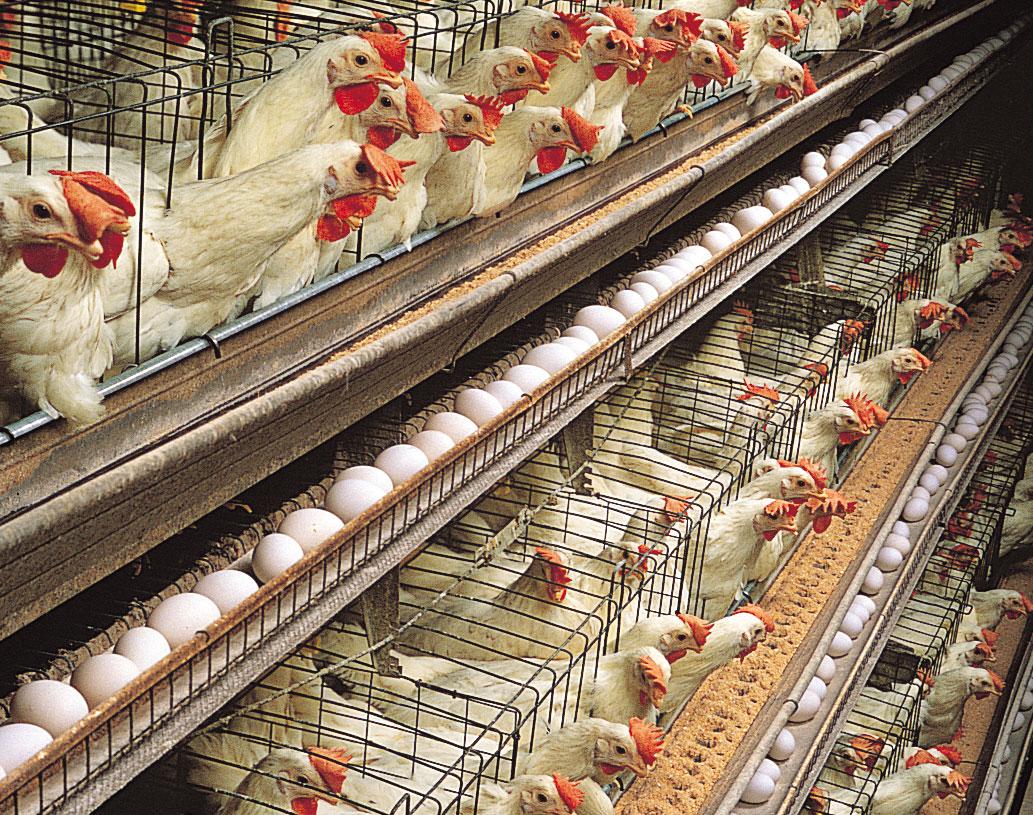
Conventional battery cages hold several hens in a wire enclosure stacked in long rows. Space per hen has typically been around 67 to 76 square inches in US industry guidelines. That's less than a standard sheet of letter paper (about 94 square inches). Hens can't fully spread their wings, dust-bathe, perch or nest.
2. They became common because they're efficient
Cages were adopted widely from the mid-20th century because they:
- let farms house large numbers of hens in less space,
- keep eggs separated from droppings, so eggs stay cleaner,
- make feeding, watering and egg collection easy to automate,
- reduce some diseases and parasites spread through litter.
These advantages kept egg prices low, which is a big reason the system lasted so long.
3. Welfare concerns are well documented
Animal welfare scientists point to several problems: frustration from being unable to nest or dust-bathe, weak bones from lack of exercise, and foot and feather damage from wire floors. Those concerns drove most of the legal changes that followed.
4. Many places have banned or limited them
- The European Union banned conventional battery cages from 2012. Producers there must use larger "enriched" cages with a nest, perch and scratch area, or cage-free systems.
- Several US states, including California, Massachusetts and others, have passed laws requiring eggs sold there to be cage-free.
- Many large food companies and retailers have pledged to source only cage-free eggs.
- Other countries, including New Zealand, are phasing out conventional cages too.
5. Egg labels don't all mean the same thing
| Label | What it generally means |
|---|---|
| Caged / conventional | hens in cages (conventional or enriched) |
| Cage-free | hens loose inside a barn, no outdoor access required |
| Free-range | cage-free plus some outdoor access, with rules that vary by country |
| Pasture-raised | hens mainly outdoors on pasture with more space per bird, often certified by a third party |
| Organic | certified organic feed and management, plus outdoor access |
Exact definitions differ between countries and certification schemes, so look for third-party certification logos if welfare matters to you.
What this means for backyard keepers
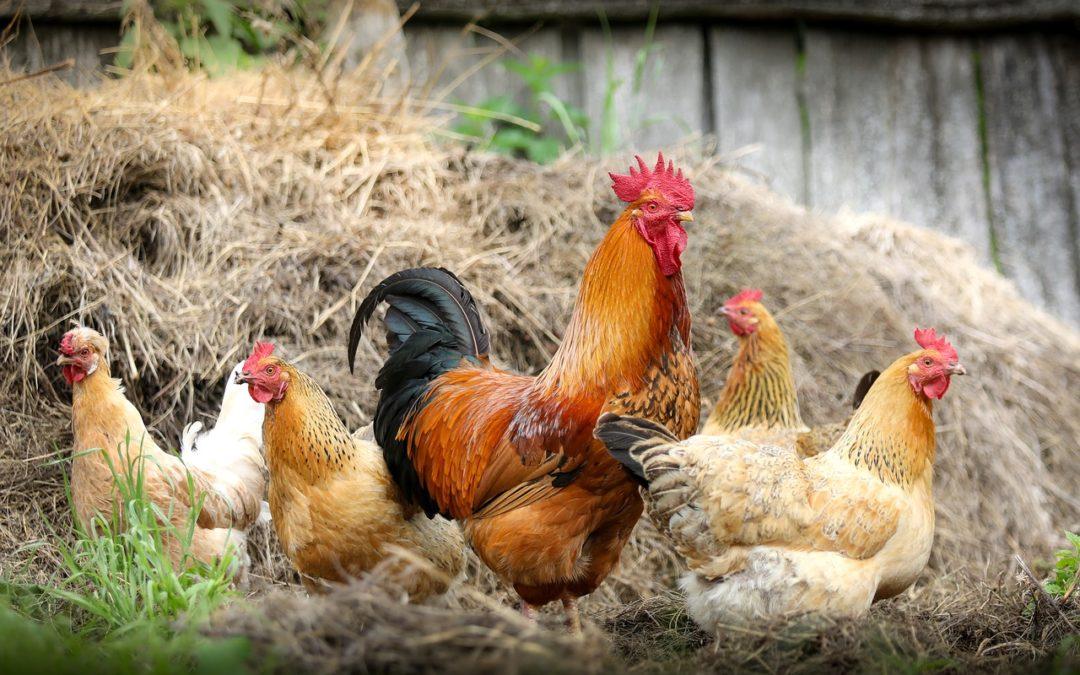
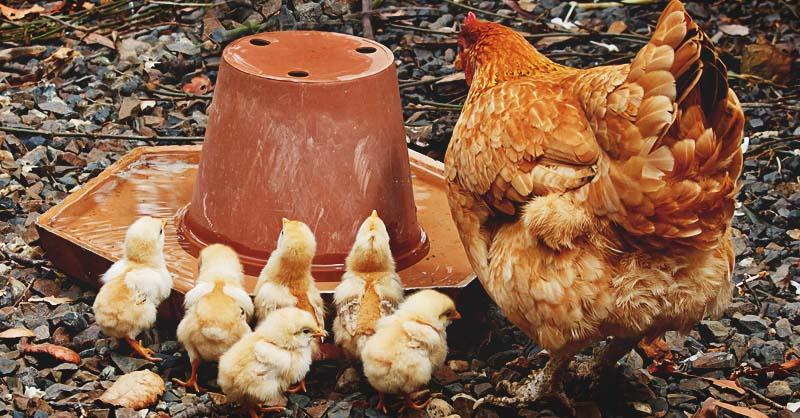
Keeping your own hens is the simplest way to know exactly how your eggs were produced. Even a small flock needs:
- about 4 square feet per bird inside the coop,
- about 10 square feet per bird in the run,
- perches, nest boxes and a place to dust-bathe.
Give hens those basics and they'll show natural behaviours that caged birds never get to perform. Learn more about the bigger picture in our look inside the poultry farming industry.