Raising Meat Chickens: A Beginner's Guide to Broilers
April 18, 2022
Raising your own meat chickens is one of the fastest ways to put home-grown food on the table. A batch of broilers goes from day-old chick to freezer in two to three months. Here's how to plan your first batch.
Choose your bird
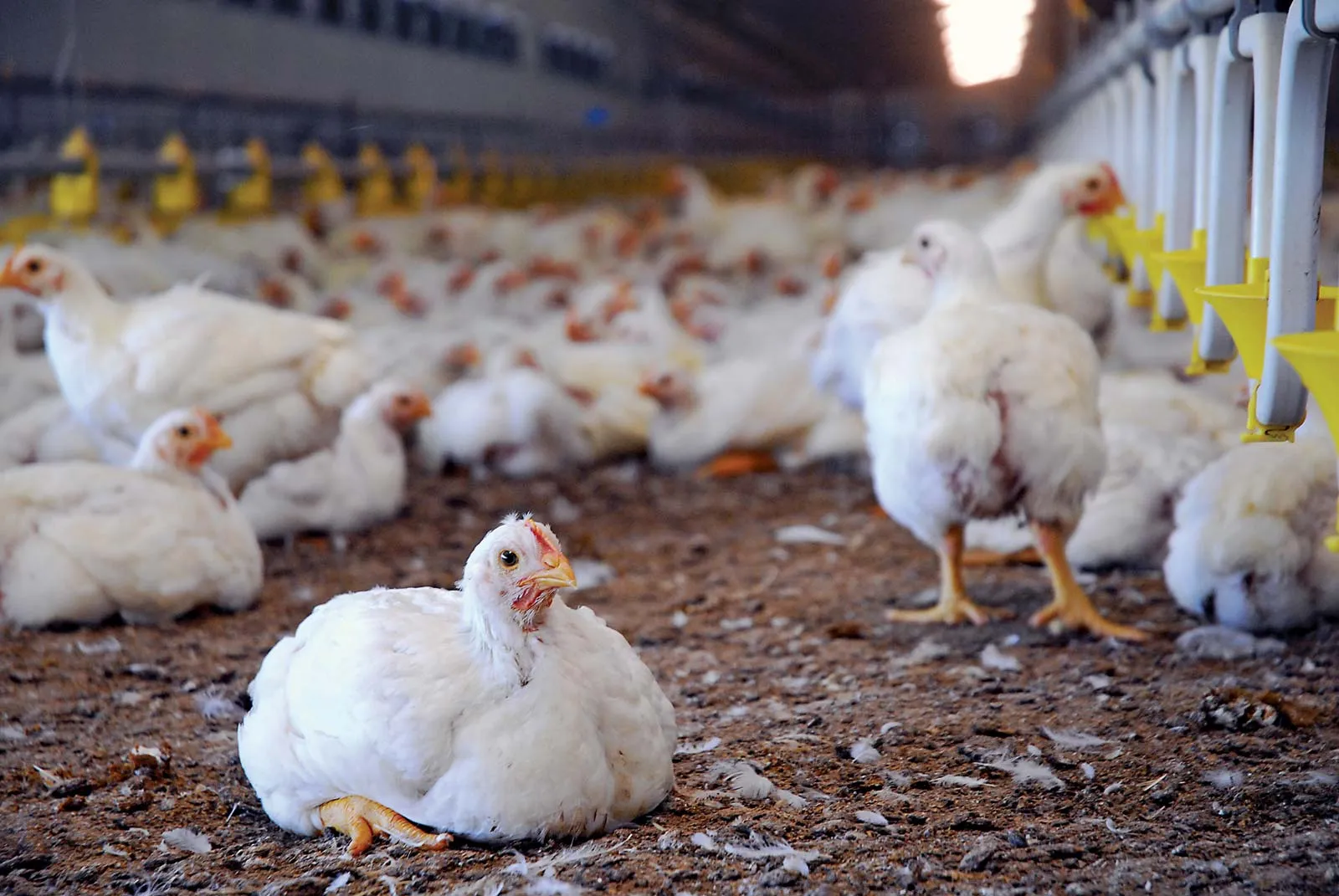
Cornish Cross is the standard commercial broiler and the fastest-growing option. Birds typically reach a live weight of around 5 to 6 pounds in 6 to 8 weeks, converting feed into meat very efficiently.
The downsides: they grow so quickly that their legs and hearts can struggle, especially if they're overfed or kept too warm. They need close management.
Slower-growing broilers such as Freedom Rangers, Red Rangers and similar coloured broilers take about 9 to 12 weeks. They forage more, are more active and hardier, and many people find the meat more flavourful. They cost a bit more in feed per pound.
Dual-purpose heritage breeds such as Plymouth Rocks or Delawares can be raised for meat, but they take 16 weeks or more and produce a leaner, smaller carcass.
Brooding
Meat chicks start just like layers: a warm brooder at around 90 to 95°F for the first week, lowered by about 5°F each week until they're feathered. See our brooder house tips for set-up details.
Fast-growing broilers feather out and outgrow the brooder quickly, so plan to move them to their grow-out space at about 3 weeks in mild weather.
Feed and nutrition
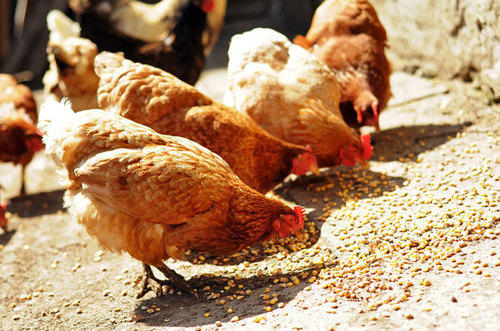
Broilers need a high-protein broiler starter or meat-bird ration, usually around 20 to 22% protein, for the first few weeks, then a grower/finisher at roughly 18 to 20%.
With Cornish Cross, many keepers remove feed overnight (12 hours on, 12 off) after the first two weeks. This slows growth slightly and reduces leg problems and sudden deaths. Always leave clean water available.
Expect a Cornish Cross to eat roughly 12 to 15 pounds of feed to finish. Slower breeds eat more.
Space and housing
- Indoors: about 1 to 2 square feet per bird by finishing age, with deep, dry bedding.
- On pasture: a movable "chicken tractor" moved daily gives birds fresh grass and spreads manure across your land.
- Ventilation matters. Broilers produce a lot of heat and ammonia, so airflow without draughts is key.
Keeping costs down
- Raise birds in spring or early autumn to avoid heating and heat-stress losses.
- Buy feed in bulk and use feeders that limit waste.
- Pasture-raise slower breeds to cut feed use.
- Raise a batch big enough to justify the effort. Most of the work is the same for 25 birds as for 10.
Processing
Plan processing before you buy chicks. You can do it yourself with basic equipment, rent a plucker, or book a local poultry processor well in advance. Check your local rules on selling meat if you plan to sell any birds.
A sample timeline for Cornish Cross
| Week | What's happening |
|---|---|
| 0 to 2 | In brooder, starter feed, heat lamp |
| 3 | Moving to grow-out pen or pasture |
| 4 to 7 | Rapid growth, 12-hour feed schedule |
| 7 to 8 | Processing |
Start small, keep good notes on feed and weights, and your second batch will be even better.